
Bleaching 101: Threats and Actions
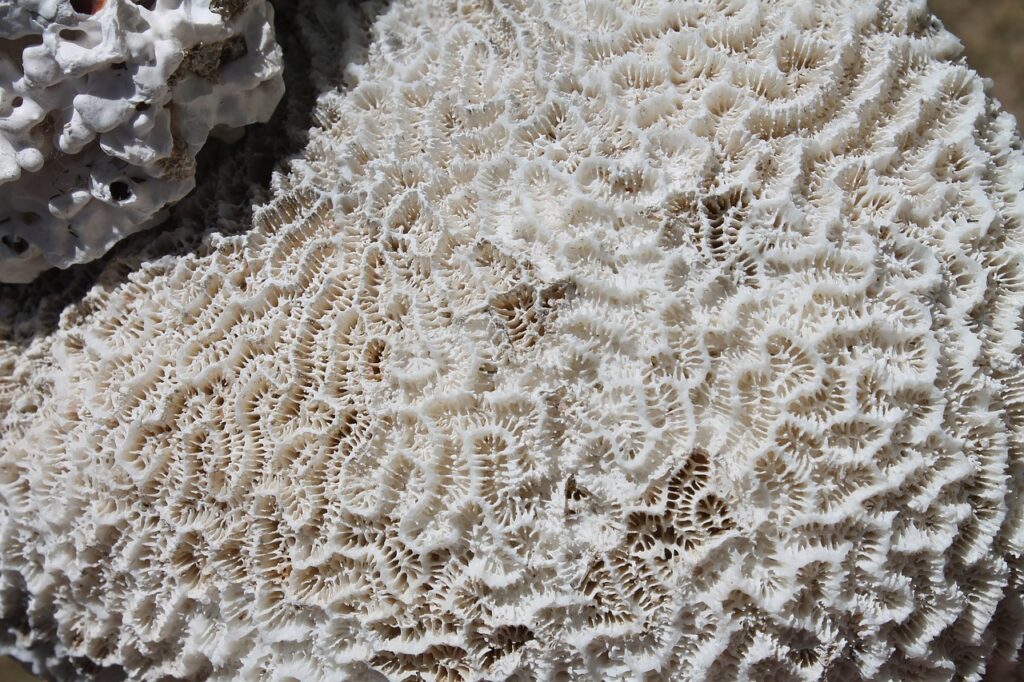
Coral reefs are like the rainforests of the sea. Both are essential ecosystems to their worlds, teeming with life and rich in biodiversity. And just as the rainforests struggle with deforestation and climate change, our reefs face several threats, perhaps none more dangerous than coral bleaching.
Corals are marine invertebrates that form colonies of tiny, soft-bodied polyps. Each polyp secretes calcium carbonate to build a hard skeleton around itself. Over time, these skeletons create the large structures known as reefs. Corals have a symbiotic relationship with a type of algae that lives within their tissues. Through photosynthesis, the algae produce nutrients that provide up to 90% of the energy corals need. In return, corals offer the algae a protected environment and access to sunlight, contributing to the vibrant colors of healthy reefs. The health of coral reefs is deeply connected to this relationship.
Coral bleaching occurs when there are changes in the environment such as temperature, light, or nutrients. When stressed, corals expel the algae in their tissues, causing them to turn completely white. Although corals can survive bleaching, they are weakened and more susceptible to disease and death. The primary cause of coral bleaching is rising sea temperatures, driven by climate change. Even a slight increase in water temperature can trigger bleaching. Additionally, pollution, overfishing, and destructive fishing practices further stress coral reefs, and the combination of these factors creates a perfect storm for coral reefs, pushing them to the brink of collapse.
The effects of coral bleaching started getting attention in the 1980s when scientists began observing mass bleaching events worldwide. Today the frequency and severity of these events have increased and the future of our reefs looks bleak. The Great Barrier Reef experienced back-to-back bleaching events in 2016 and 2017, with significant portions suffering severe damage. Similarly, the Caribbean, Southeast Asia, and the Pacific reefs have suffered extensive bleaching. The loss of these vibrant ecosystems is an environmental crisis leading to many social and economic issues on land.
Despite covering less than 1% of our oceans, coral reefs are home to about a quarter of all marine species. The decline of these reefs means the loss of biodiversity, with countless species losing their habitat, food sources, and breeding grounds. This will lead to the collapse of local marine ecosystems, disrupting the balance of marine life, and affecting the entire food chain.
The repercussions to humans are equally significant. Healthy reefs support fishing industries by providing fish and other food sources the habitat to live. They attract tourists from around the globe, generating billions of dollars in revenue for coastal communities. They also act as natural barriers, protecting coastlines from storms and erosion. Without these natural structures, coastal areas become more vulnerable to the impacts of climate change, including stronger and more frequent storms.
Local communities that rely on reefs for their livelihoods face devastating consequences. Declines in fish populations affect food security and income for millions of people. Tourism-dependent economies suffer reduced visitors, leading to job losses and economic hardship.
Ignoring the problem of coral bleaching is not an option. The continued degradation of our reefs threatens the health of our oceans, the diversity of marine life, and the well-being of human communities. Taking action now is the only way to protect and preserve these vital ecosystems essential for future generations.
Divers have a unique role in protecting coral reefs. Here’s how you can help:
- Practice Responsible Diving: Mastering buoyancy control is essential. Avoid touching corals and marine life. Your presence should be as unobtrusive as possible.
- Participate in Coral Restoration Projects: Many organizations offer programs where divers can help plant and care for new corals. This hands-on approach helps rebuild damaged reefs.
- Support Marine Protected Areas (MPAs): MPAs are regions of the ocean where human activity is restricted to protect biodiversity. Advocate for the creation and enforcement of MPAs.
- Stay Informed and Educate Others: Knowledge is power. Stay updated on coral reef conservation efforts and share what you learn with your diving community.
- Reduce Your Carbon Footprint: Climate change is the main driver of coral bleaching. Reducing your carbon footprint helps mitigate one of the most significant threats to coral reefs.
- Support Sustainable Seafood Choices: Overfishing and destructive fishing practices harm coral reefs. Make sustainable seafood choices and encourage others to do the same.
- Donate and Volunteer: Many organizations are dedicated to coral reef conservation. Support them through donations or volunteer your time.

DESCEND’s Reef Goddess Tee for Women
Taking action is our only chance against coral bleaching and preserving the health and biodiversity of our reefs. By addressing the problem now, we can at least hope future generations will have these vibrant ecosystems to enjoy. As divers, we have a unique opportunity and responsibility to protect the underwater world we cherish.